


Twelve engines behind one gateway
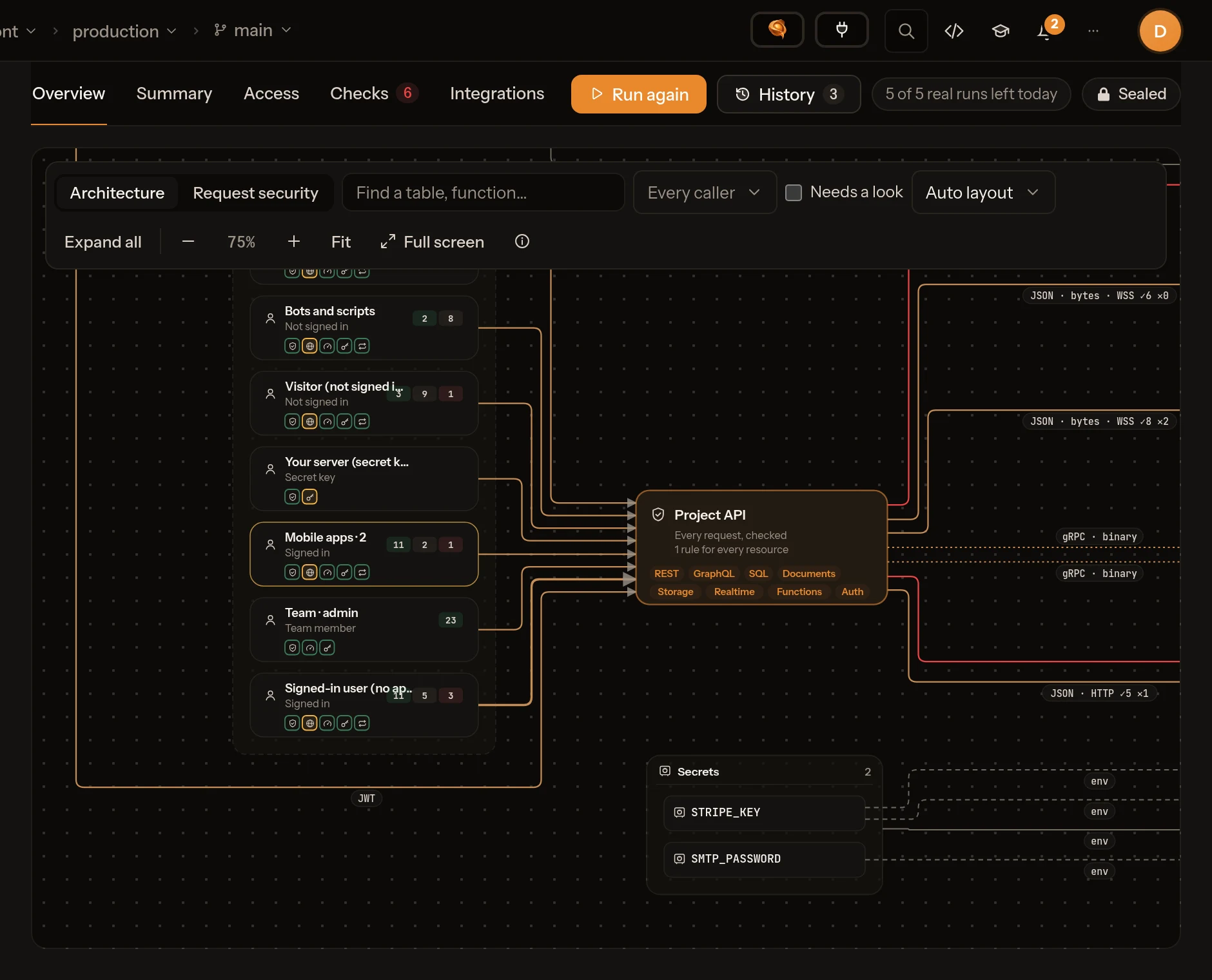
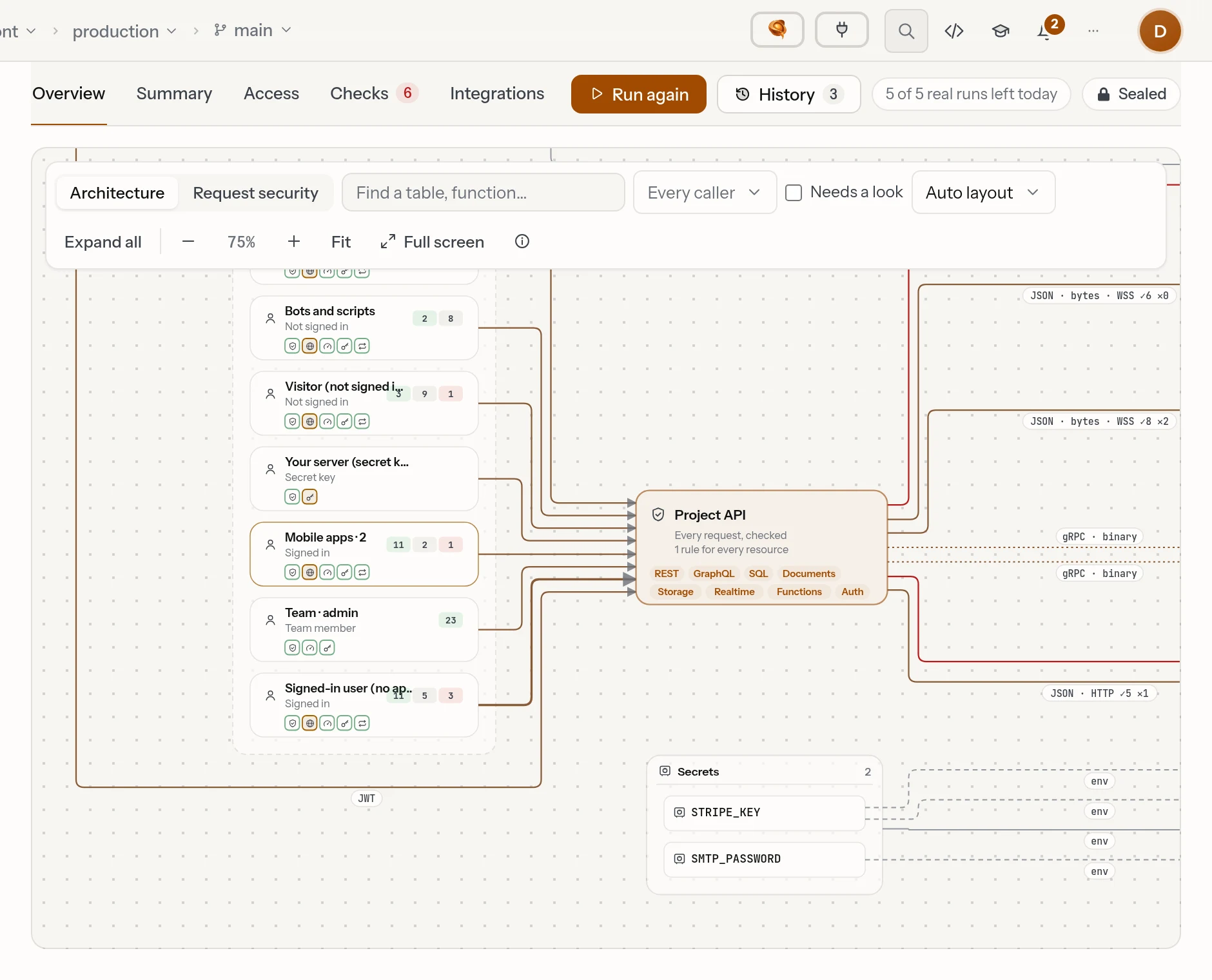
Your app never calls an engine directly. Every request enters the gateway, is identified and authorized, then reaches the one engine whose job it is. This is the floor plan.
Identity and policy
Who is calling, and what they may do.
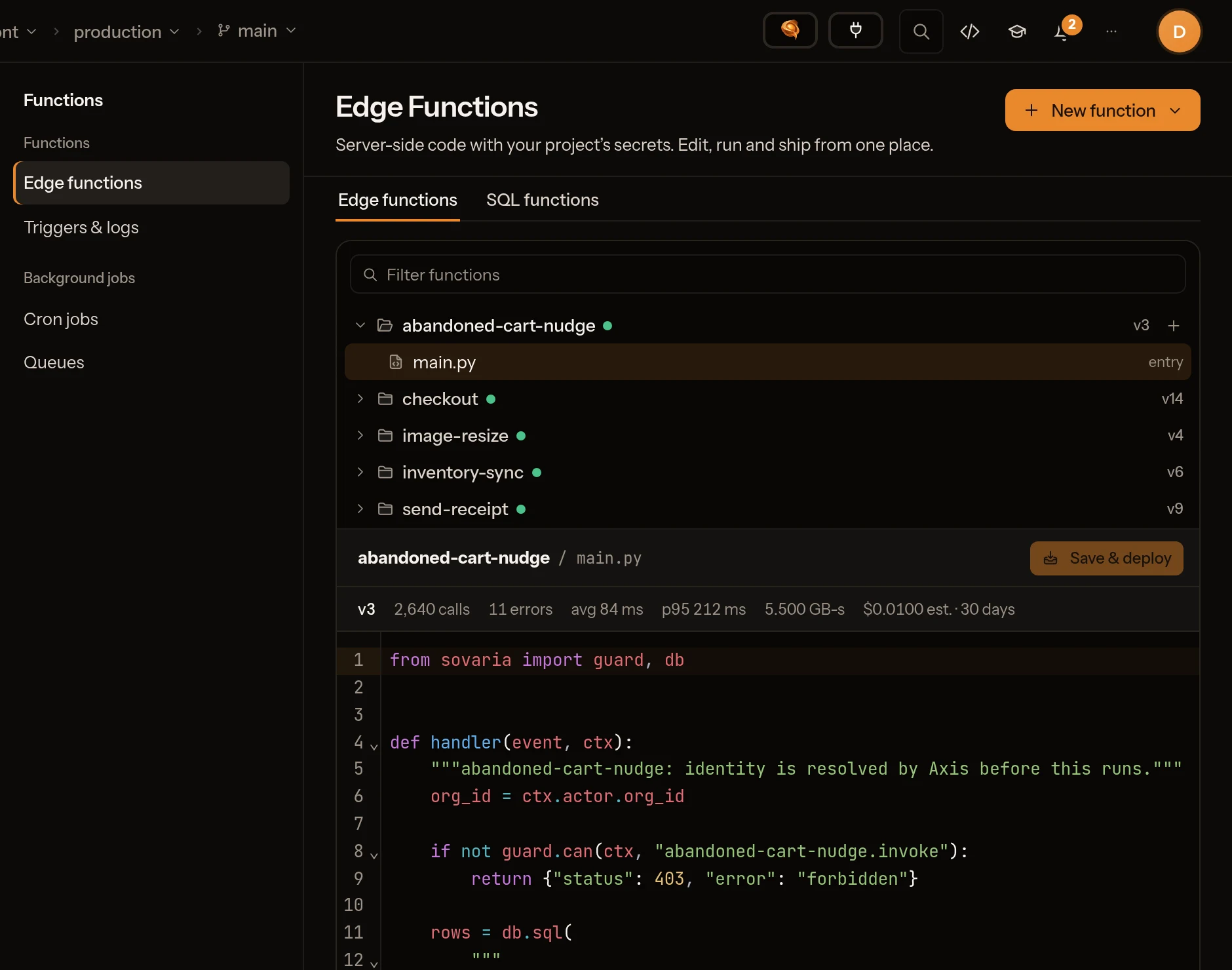
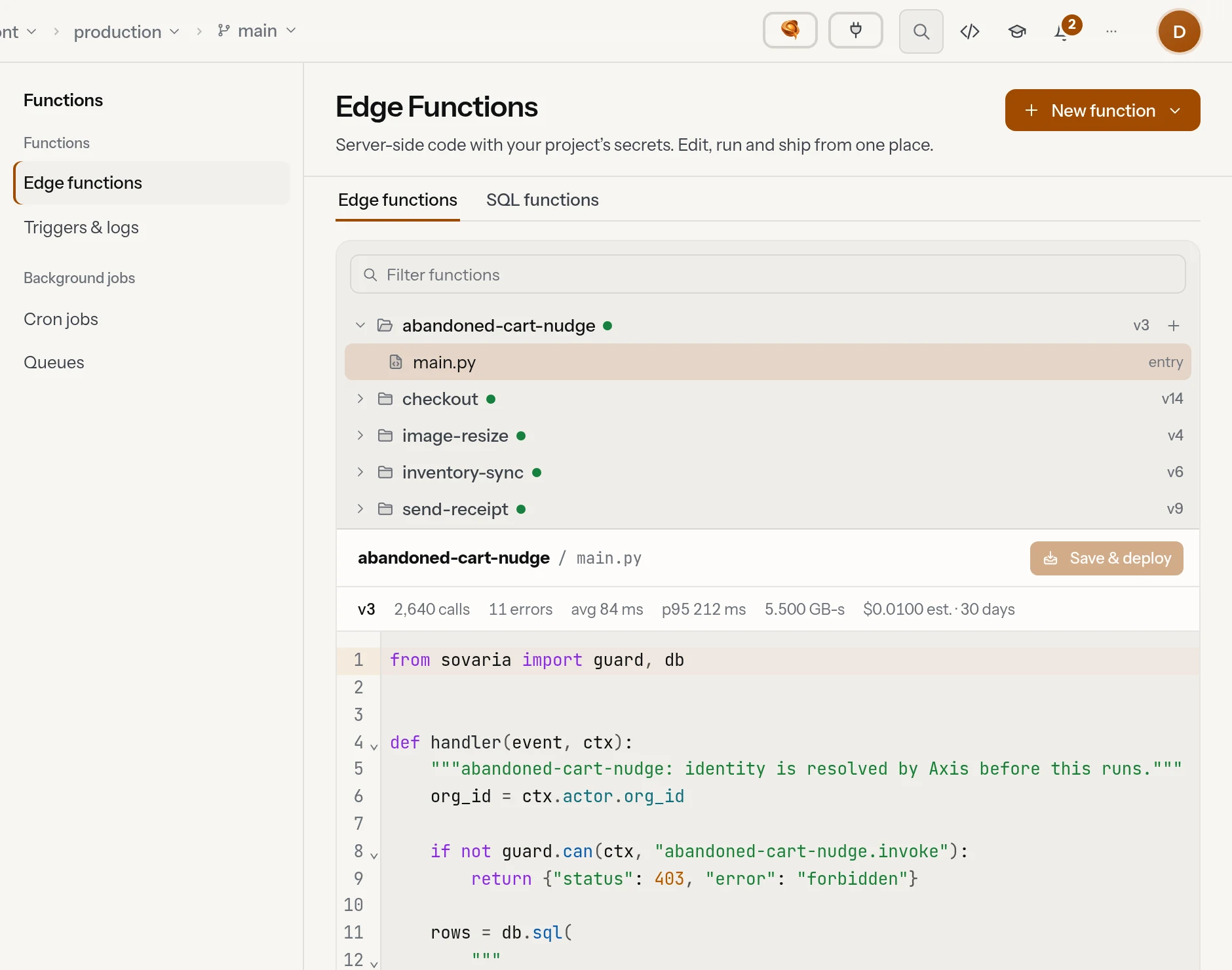
Data and compute
Where your data lives and where your code runs.
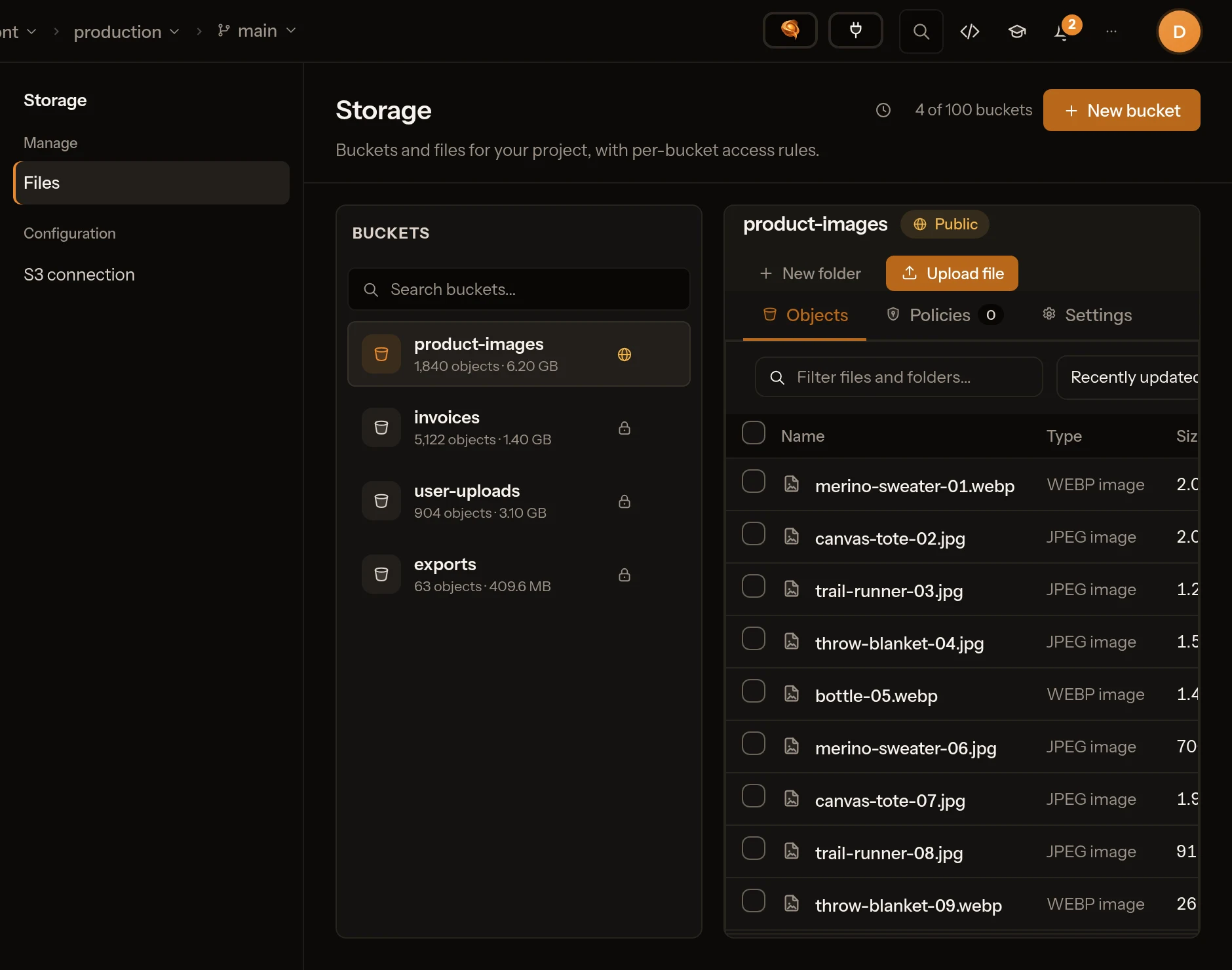
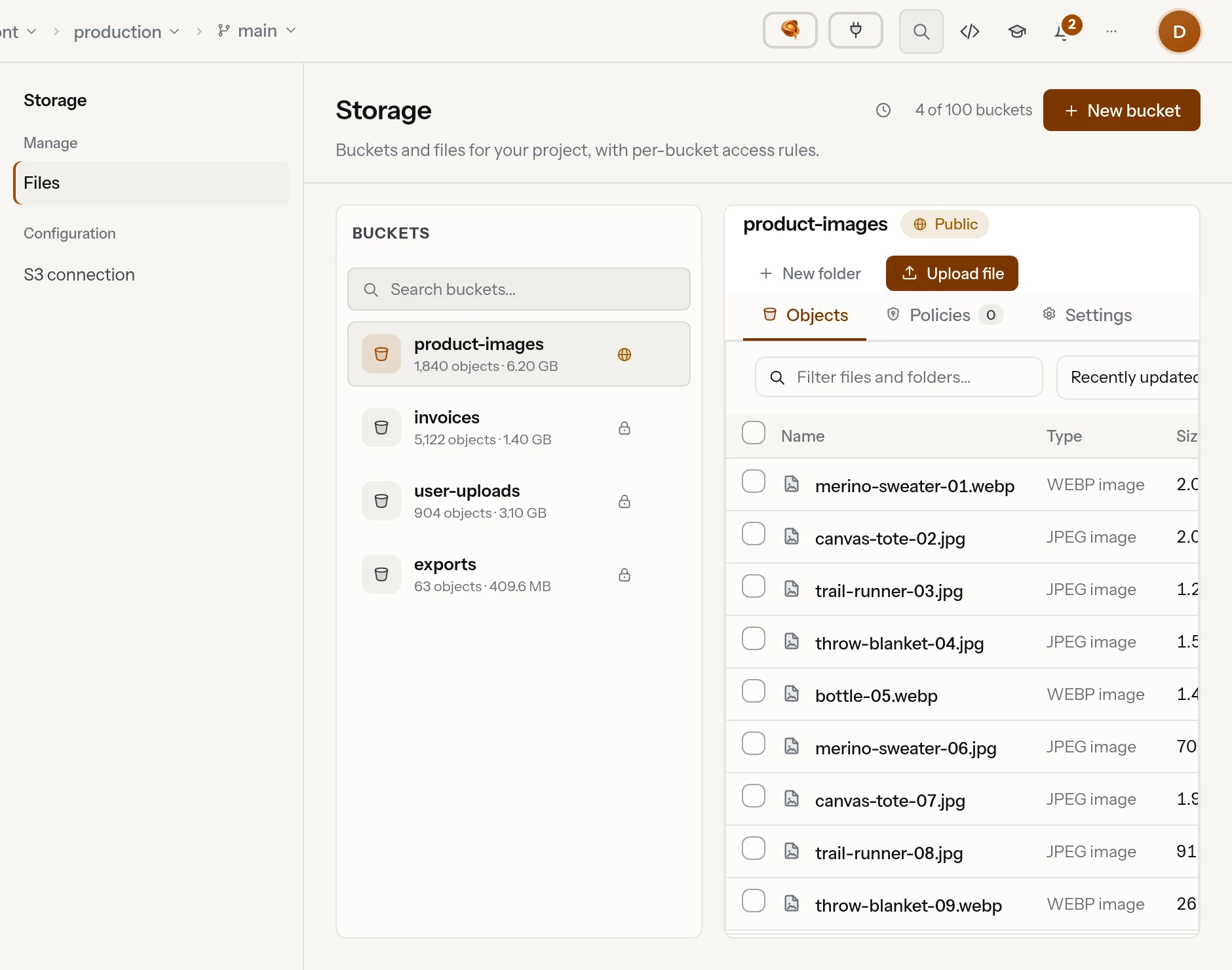
Realtime, time and usage
What changed, when, and what it cost.
Safety and control
Change safely and keep the platform consistent.
Prefer reading? Every engine has a reference in the documentation.
And the services around them
Beside the twelve engines, these run in production. None of them is a way around the gateway or your rules.
- GatewayThe only way in
Every request from an app, the console, the SDKs or the CLI arrives here first: it identifies the caller, applies rate limits and routes to one engine.
Read more - SovariqAI engineer
Runs Sovariq conversations and app builds. It calls the same public API you do, so your role, rules and plan limits apply.
Read more - MCP serverAI assistants
The hosted MCP server at api.sovaria.in/mcp, for Claude, ChatGPT, Cursor and VS Code.
Read more - Function runner and builderSandboxed code
Builds and runs functions for Forge inside a gVisor sandbox, each run as its own user, with no storage credentials.
Read more - Egress proxyOutbound calls
The only route out for a function: hosts on its allow-list only, and never private or cloud metadata addresses.
Read more - PG workerProject databases
Runs each project’s own Postgres database in its own container on a compute host, for Nexus.
Read more