


Every request checked. Every change rehearsed.
Postgres, sign-in, storage, functions and realtime behind one API, and an AI that builds whole apps on it. Nothing reaches your data until it is identified and allowed, and every change runs on a copy first.
Your message opens in the console, ready to send. Mode, thinking and approvals use your Sovariq settings there.
/ commands · @ mention a table · Free to start, no card


- TypeScript
- Python
- React
- Next.js
- Node.js
- Flutter
- Swift
- Kotlin
- REST
- CLI
SDKS AND A CLI FOR THE STACK YOU ALREADY USE
Write a row. Watch it arrive. Watch a rule say no.
An order inserted with the SDK lands in the table and reaches every app listening for changes. The same insert from a visitor is refused by the table’s row rule, with Postgres’s own error.
How row rules work1import { createClient } from '@sovaria/sdk'23const sov = createClient(PROJECT_URL, ANON_KEY)4await sov.auth.signIn('priya.murphy@fastmail.com', password)56// Lands in the table; apps listening on it re-read7const order = await sov.from('orders').insert({8 customer_id: me.id,9 status: 'pending',10 total_cents: 79200,11 currency: 'USD',12})1314sov.from('orders').subscribe(() => refresh()){ id: "8f3c…", customer_id: "2f37…", status: "pending", total_cents: 79200, currency: "USD" }

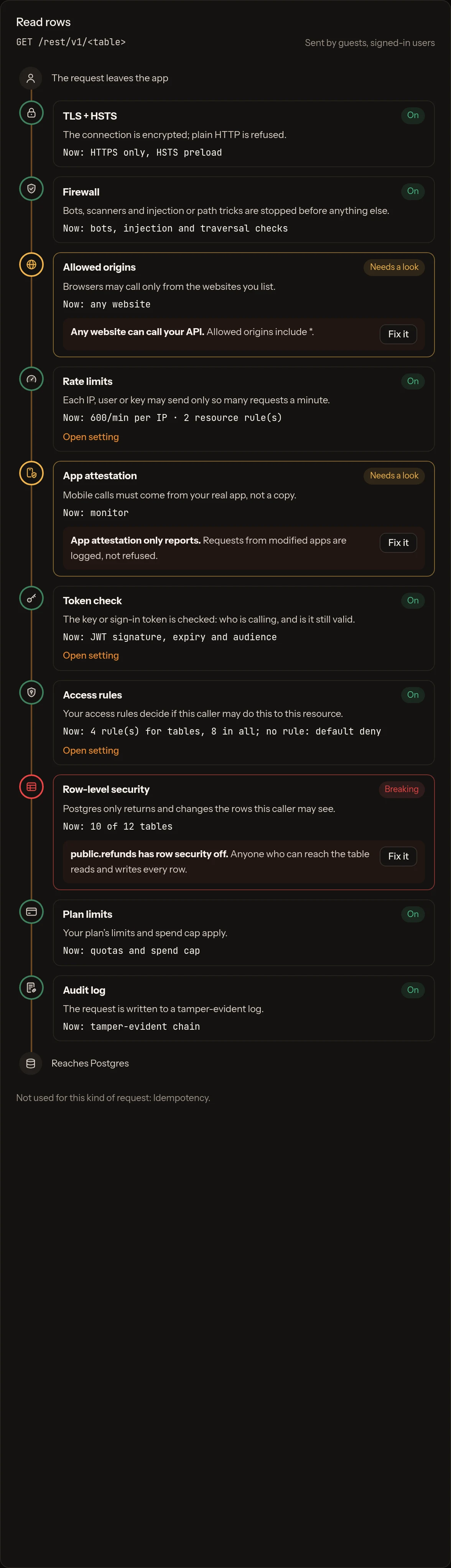
Every request is checked before it runs
Ten layers stand between a request and your data, in this order. This is the console’s own view of them, with each layer’s live setting.
- 01TLS and HSTSEncrypted, plain HTTP refused
- 02FirewallBots, injection and path tricks stopped
- 03Allowed originsOnly the websites you list
- 04Rate limitsPer IP, per user and per resource
- 05App attestationCalls from your real app, not a copy
- 06Token checkWho is calling, and is it still valid
- 07Access rulesMay this caller do this, here
- 08Row-level securityOnly the rows they may see
- 09Plan limitsQuotas and spend cap
- 10Audit logWritten to a tamper-evident log
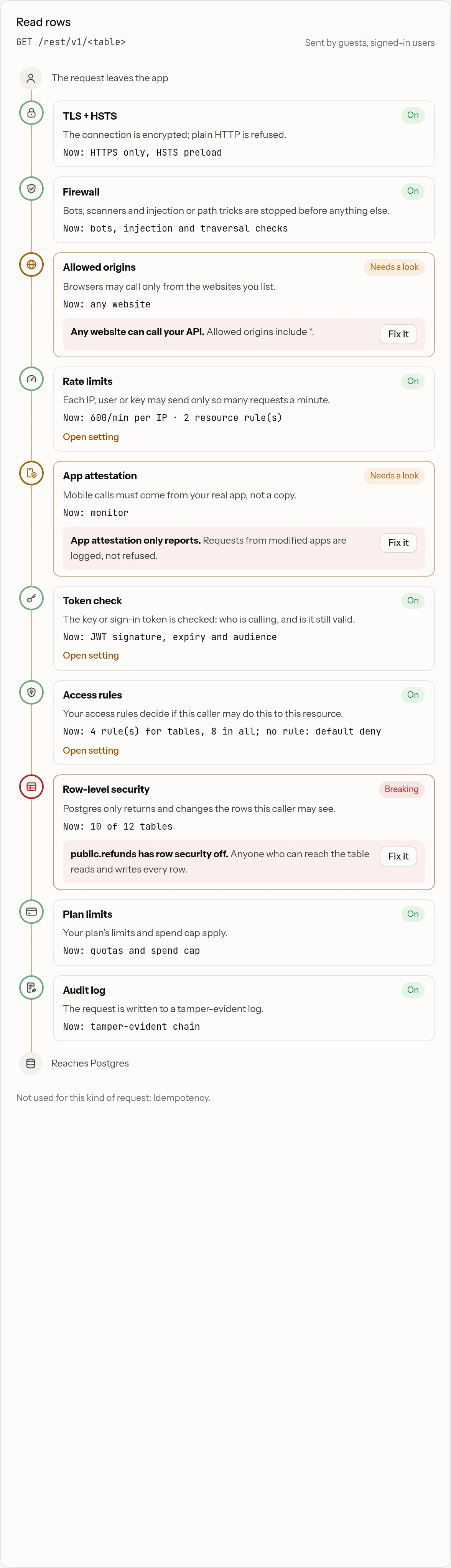
Every request is checked before it runs
Ten layers stand between a request and your data, in this order. This is the console’s own view of them, with each layer’s live setting.
- 01TLS and HSTSEncrypted, plain HTTP refused
- 02FirewallBots, injection and path tricks stopped
- 03Allowed originsOnly the websites you list
- 04Rate limitsPer IP, per user and per resource
- 05App attestationCalls from your real app, not a copy
- 06Token checkWho is calling, and is it still valid
- 07Access rulesMay this caller do this, here
- 08Row-level securityOnly the rows they may see
- 09Plan limitsQuotas and spend cap
- 10Audit logWritten to a tamper-evident log
The latest pieces, working
Recent additions across Sovariq, sign-in, functions, storage, data and realtime, each shown working.
See the changelogIt plans the pages, builds tables, rules and functions, tests in a browser and publishes.
A support agent that answers from your docs, a morning digest, a chat with memory.
Give or take a role and it applies within seconds, even to tokens already issued.
Call the same function by its name or its stable id, pinned to a version.
Large files go up in chunks and carry on from where a dropped connection left off.
Table history answers what a row looked like at any moment, with plain SQL.
Who is online, in every SDK, with join and leave updates and limits staff can tune.
Product pieces shown with sample data.
Review before you ship, rewind when you need to
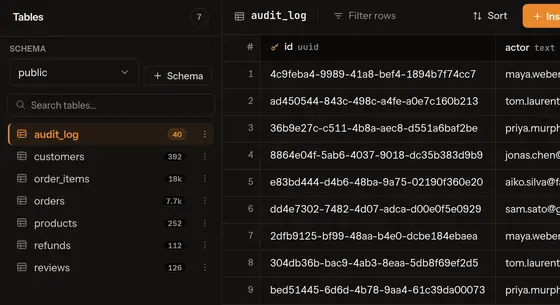
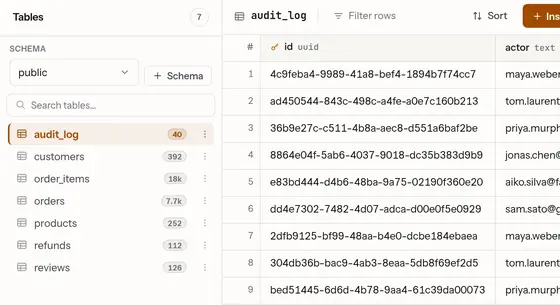
Echo checks a policy or schema change on a copy, so you see who gains or loses access before anything is written. Chrono keeps every version of your schema, rules and functions, and table history reads any table as it was.
See how simulation works

Branch the whole backend, not just the database
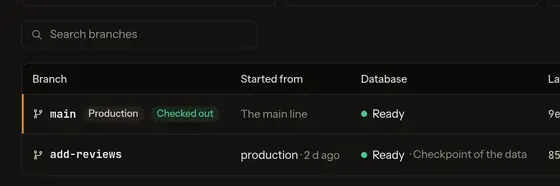
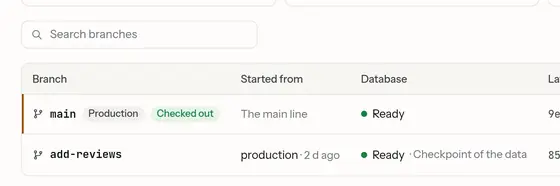
A branch copies your schema, functions, policies and settings, with a checkpoint of the data if you want it, and personal columns arrive masked. Every change on it is a commit, and deploying checks it on a copy first.
How branches work

Everything a backend needs, already in the project.
- 33
- Products in every project
- 5
- SDKs, plus the sov CLI
- 12
- Engines behind one gateway
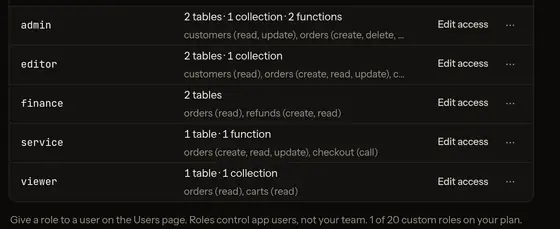
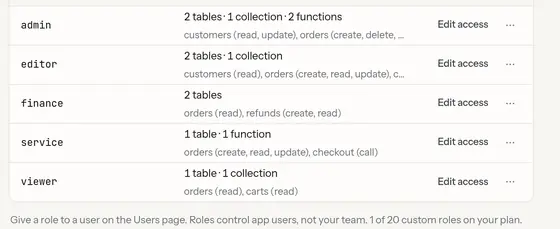
 App roles and user adminsSign-in and accessYour own roles (MANAGER, REP…) for your app’s users, read by your row rules.
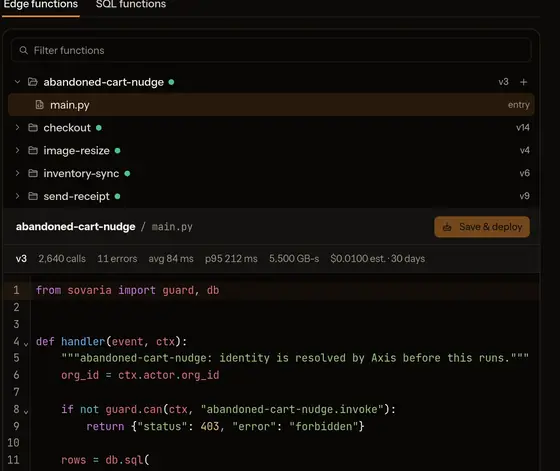
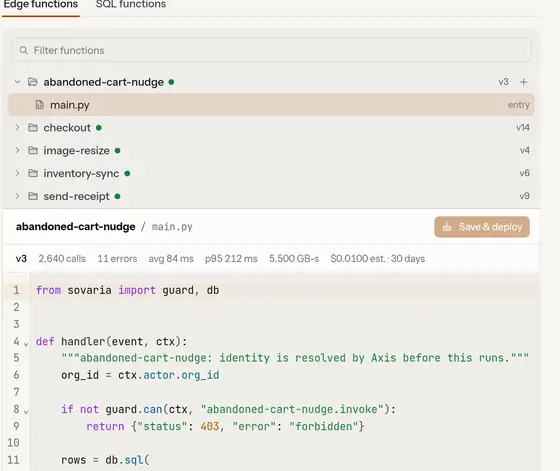
 FunctionsFiles, code and realtimeServer code in Python, JavaScript, TypeScript or Go, called over HTTPS.
 Remote config and experimentsMobile and growthChange how your app behaves without a new release, and test it on a share of users.SovariqAIAn AI engineer in the console that plans a change, asks before it writes and checks the result.
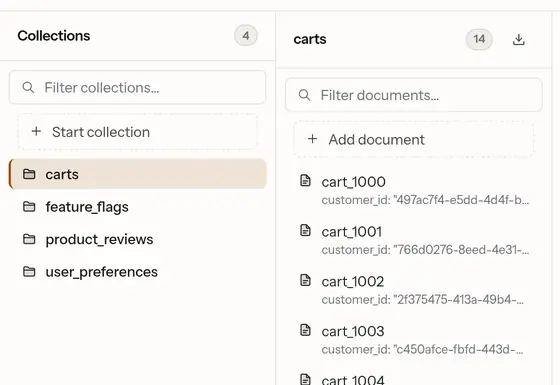
 ImportsRun and moveMove a Supabase, Firebase, Convex or Postgres project with one command.
sov import supabase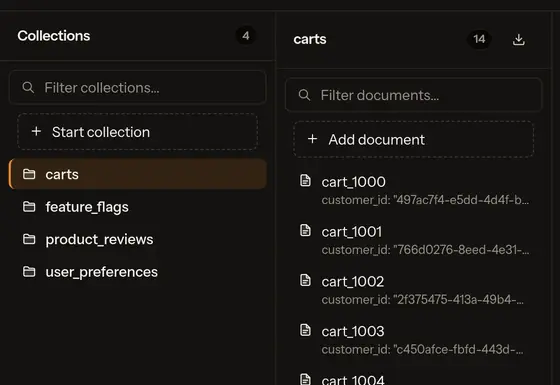
 Access policiesSign-in and accessRules checked on every request with default deny, on top of row-level security.
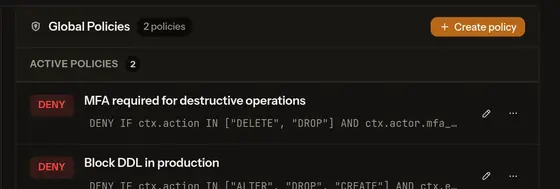
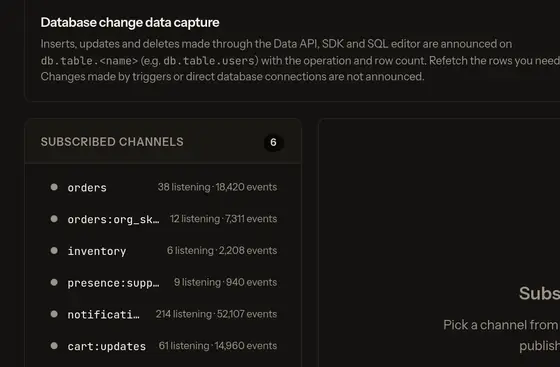
 FlowsFiles, code and realtimeAutomations built from a trigger and steps on a canvas in the console, run on your backend.RealtimeFiles, code and realtimeChannels, presence and live database changes over WebSockets.
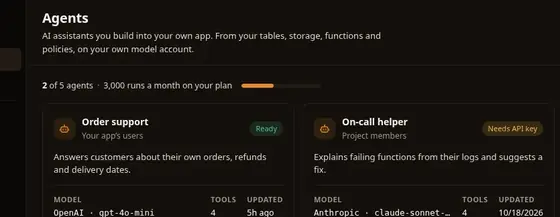
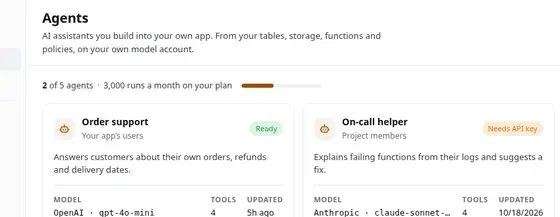
 Tester buildsMobile and growthShare APK and IPA builds with invited testers before they ship.Agents in your appAIAI agents your users talk to, with tools that run under your access rules.
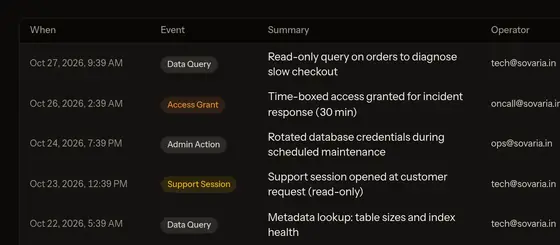
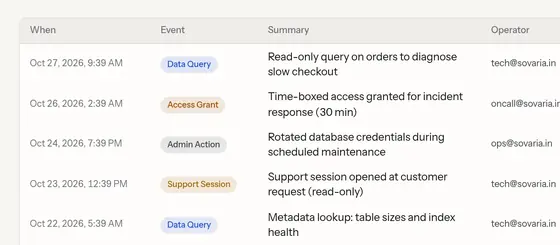
 Audit logRun and moveAn append-only, hash-chained record of important actions.
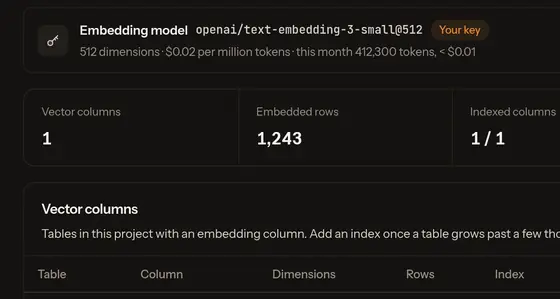
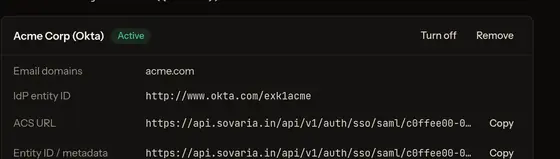
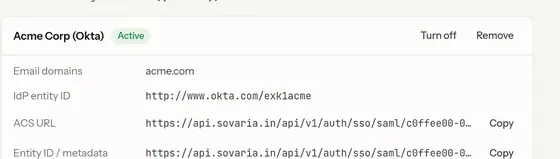
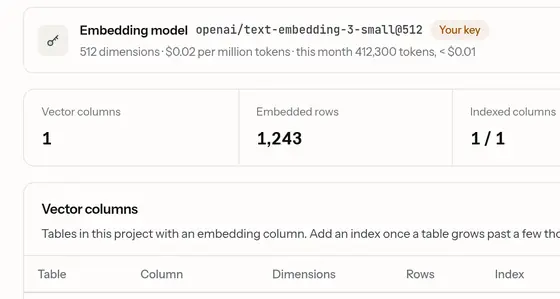 Enterprise sign-inSign-in and accessLet your customers’ companies sign in with their own identity provider.
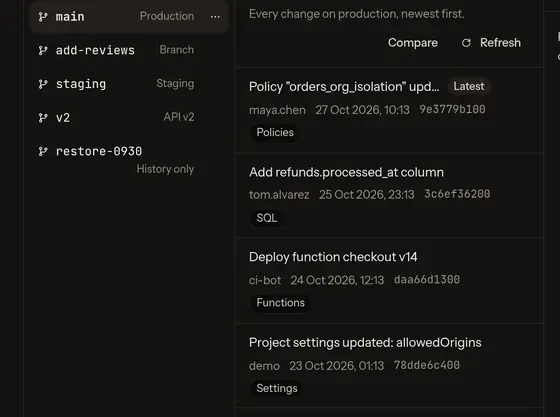
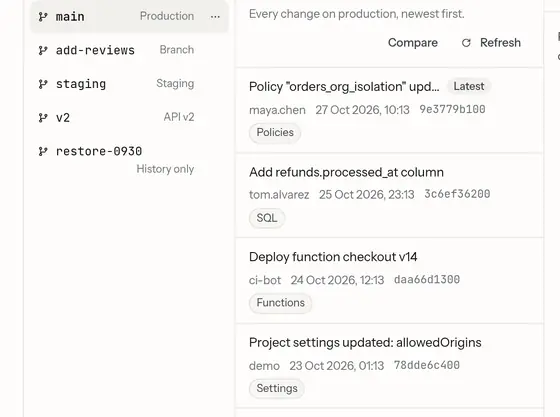
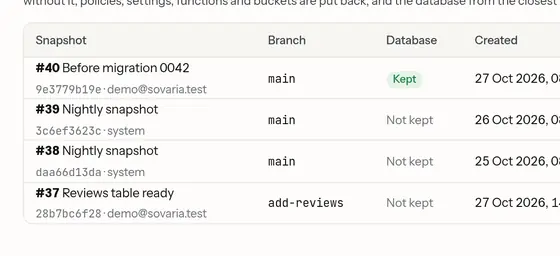
 Version historySign-in and accessA timeline of every change to policies, tables, functions, settings, buckets and keys.
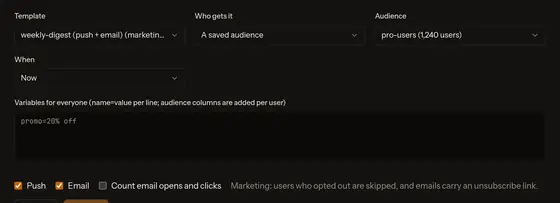
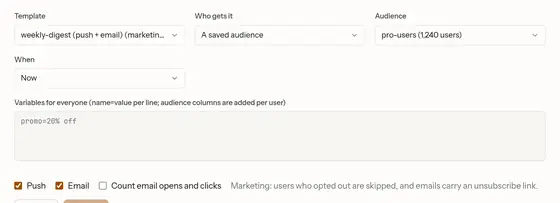
 Push and messagingMobile and growthPush and email to your app’s users from one API.
 App builderAIReact apps built on your backend, previewed live, tested in a browser and published.
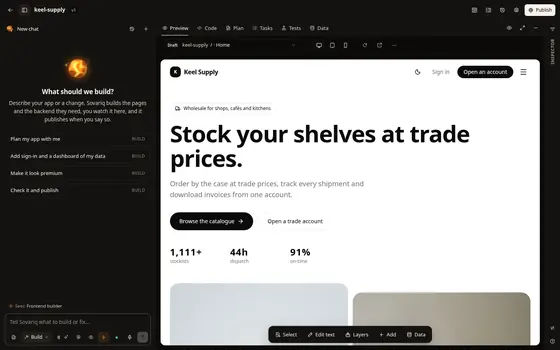
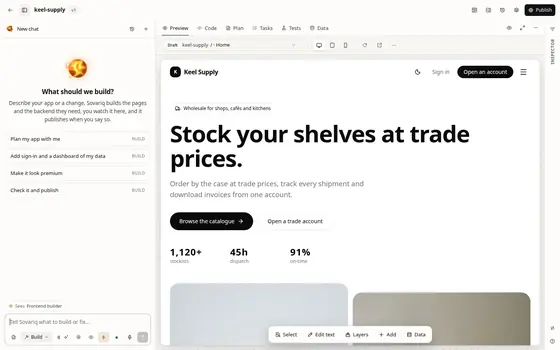 Organizations and environmentsRun and moveOrganizations, projects, team roles, and staging next to production.
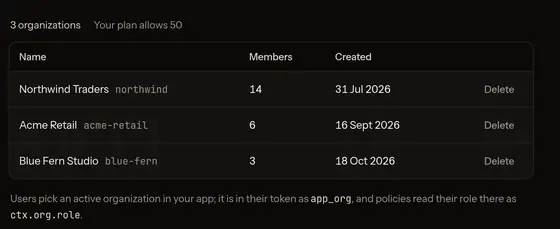
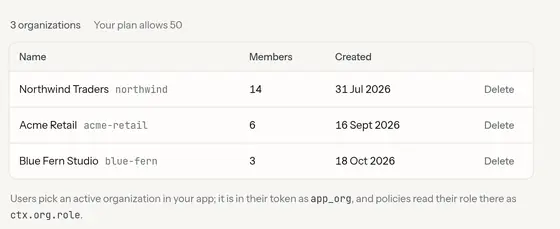
 Simulation and rules testsSign-in and accessSee who can read and change what before a rule or schema change ships.
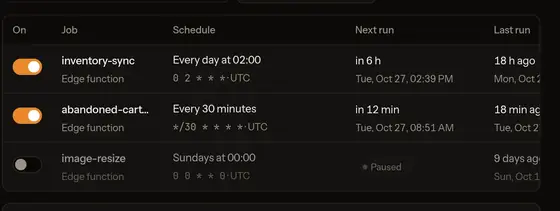
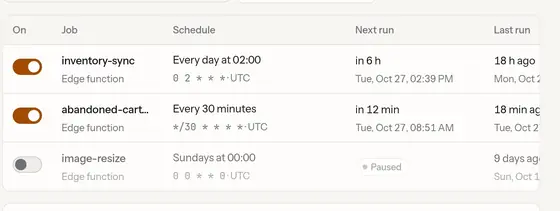
 Background workFiles, code and realtimeRun code on a schedule, on an event, or from a queue.
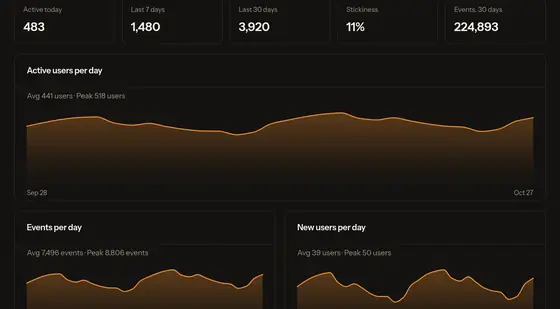
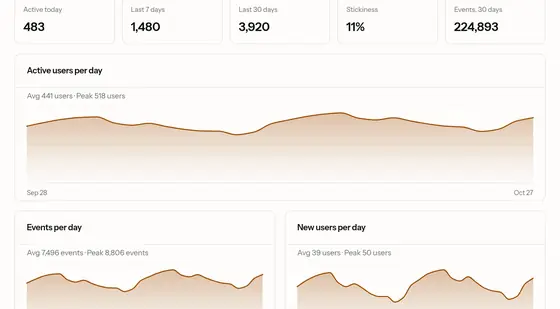
 Analytics, crashes and performanceMobile and growthProduct events, crash reports and app performance in the console.
 Hosted MCP serverAIConnect Claude, ChatGPT, Cursor or VS Code to your project at api.sovaria.in/mcp.
https://api.sovaria.in/mcpCompliance centerRun and moveEvidence for your own audits, built from the live platform when you download it.IntegrationsRun and moveSlack, GitHub, Vercel, AI providers, email providers, Zapier and log drains.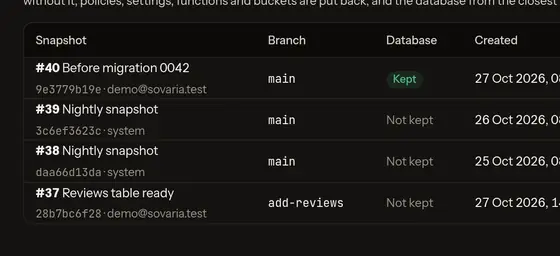
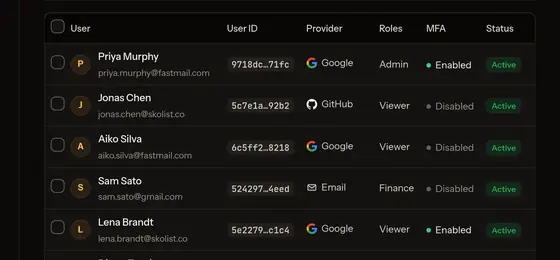
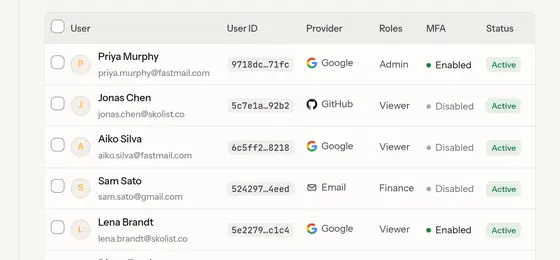
 AuthenticationSign-in and accessSign-in for your app’s users, with sessions you control.
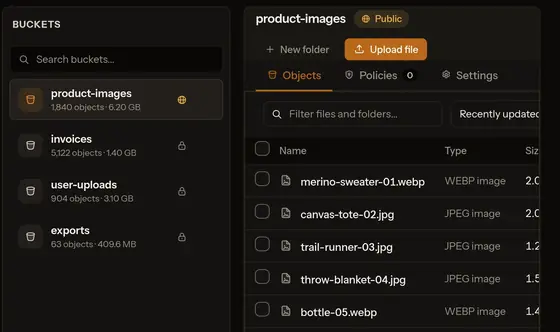
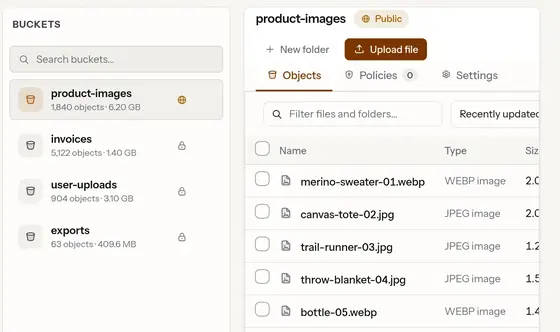
 StorageFiles, code and realtimeFile buckets with per-folder access rules, public and signed URLs.
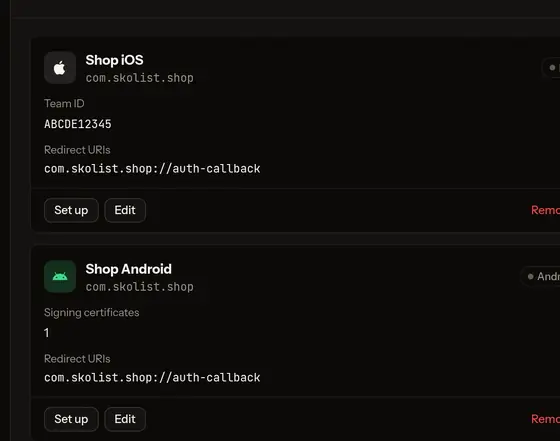
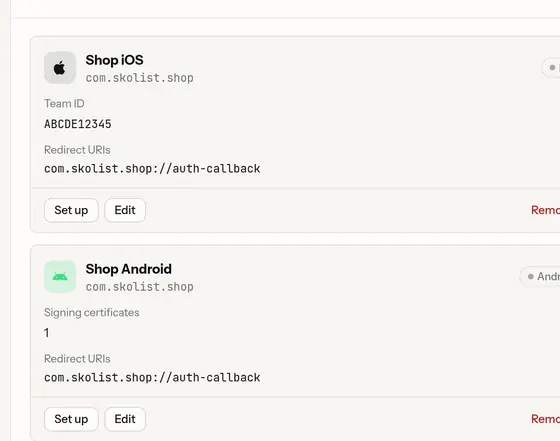
 Mobile SDKsBetaMobile and growthNative SDKs for Flutter, Swift and Kotlin, with sign-in, data, storage and realtime.
 Sovariq for ChromeBetaAISovariq in a Chrome side panel, beside the page you are working on.Logs, traces and alertsRun and moveAPI, auth, database and function logs with a trace for every request.
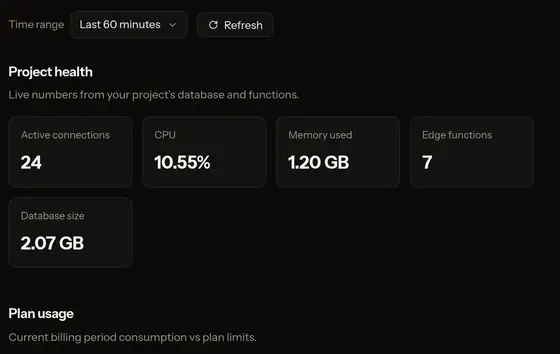
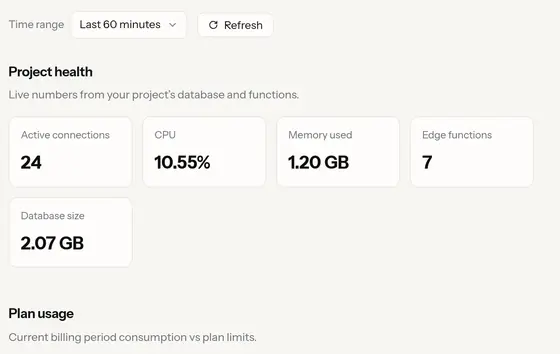
One gateway in front of everything
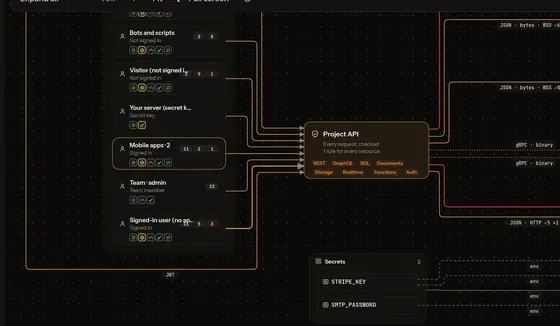
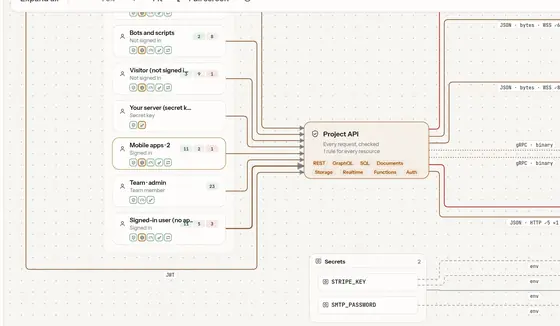
Every call meets the gateway, then Identity works out who is calling, then the service checks its rules. This is the console’s Simulation map: watch a request go through, or stop where it is refused. Behind it, twelve engines each do one job.
Read the engine reference

Built for the terminal
The sov CLI and the SDKs for TypeScript, Python, Dart, Swift and Kotlin follow the same rules as the console. The session below is the CLI’s own output for a sample project, beside the same query in TypeScript and Python.
See the SDKs and the CLI1import { createClient } from '@sovaria/sdk'23const sov = createClient(PROJECT_URL, ANON_KEY)4await sov.auth.signIn('ops@junipercafes.com', password)56// The same query as `sov db sql "select id, total, status from orders"`7const rows = await sov.from('orders').select('id,total,status')89// Re-read whenever a row changes10const stop = sov.from('orders').subscribe(() => refresh())One platform instead of the glue
What changes when identity, policy, data and simulation live in one place.
Secure by construction
Security is part of the request path, not an add-on. These behaviors come from how the gateway, Guard and the SDKs are built.
How Sovaria keeps data safeGuard evaluates every request against compiled SPL policy and denies anything not explicitly allowed.
Audit entries are append-only and hash-chained. sov audit verify checks the integrity of the chain.
Every call carries org, project and environment scope. Tenant allowlists are enforced in Guard.
WebSocket connections use a short-lived ticket, so JWTs are never placed in WebSocket URLs.
The console uses an HttpOnly refresh cookie. SDKs and the CLI use a JSON refresh flow. The two modes are not mixed.
Optional zero-knowledge documents: the SDK derives a key with Argon2 and encrypts before data leaves your app.
Guard decisions and audit records shown with sample data.
Start free, scale when ready
Fixed monthly prices with published overage rates. Every plan includes the full engine suite.
See full pricingWhat teams ask before building on Sovaria
Straight answers about how the platform works, how it keeps data safe and what it costs. For anything else, the docs go deeper.
Browse the docs Compare with Supabase, Firebase, Convex and NeonSovaria is a backend platform for web and mobile apps: every project gets a Postgres database, user sign-in, file storage, server functions, realtime, a JSON document store and vector search behind one API, plus Sovariq, an AI engineer that builds and runs the backend with you.
Like Supabase, each project has Postgres with row-level security, and supabase-js works against it. Like Firebase, it has JSON document collections with a Firestore-style API. On top of that, every request passes access rules with default deny, you can simulate a change to see who gains or loses access before it ships, and any change can be undone from the project timeline. The comparison pages go through each one in detail.
Your app calls your project URL. Sovaria identifies the caller (a signed-in user, the public anon key or a server-only service key), checks your access policies and row-level security, runs the work in the database, storage, functions or realtime, and records usage and important actions in the audit log.
The JavaScript and TypeScript SDK (@sovaria/sdk), the Python SDK, Flutter, Swift and Kotlin SDKs for mobile apps, the sov CLI and a plain HTTP API. supabase-js also works for tables and RPC, and the Firestore-style API keeps Firebase code working.
Yes. Postgres tables and JSON document collections live in the same project, behind the same sign-in and the same access rules, so there is nothing to keep in sync.
Simulation checks who can do what (visitors, signed-in users, each app role and your team) across tables, documents, storage, realtime and functions without writing any data, and previews a policy or schema change on a copy of the project. Run it in the console, or with sov sim run in CI to stop a deploy that would expose data.
Yes. Version history records every change to policies, tables, functions, settings, buckets and keys, so you can undo one change or take the project back to an earlier point, and table history lets you query rows exactly as they were at any moment.
Access policies decide whether a caller may use a table, bucket, channel or function, and they default to deny: without an explicit allow, nothing runs. Turn on Postgres row-level security per table to decide which rows each user sees.
Every request carries its organization, project and environment, requests without them are refused, and keys are scoped, so a key for one environment cannot read another. Paid plans get a dedicated Postgres database.
Yes. The audit log is append-only and hash-chained: each record carries the hash of the one before it, and sov audit verify checks the whole chain for tampering.
Yes. Free costs nothing and needs no card: 1 project, 500 MB database, 5,000 MAU, 1 GB files, 2 GB bandwidth, paused after 7 days without activity, with the core products turned on. It stops at its limits instead of billing.
Pro $29 (₹2,599 in India), Ultra $99 (₹9,999 in India), Team $599 (₹49,999 in India) a month, and Enterprise is a custom contract. Customers billed in India pay the fixed rupee prices, by UPI or card. Every plan includes the core products (database, auth, storage, functions, realtime, AI). Some features, such as point-in-time recovery, image transforms and SSO, start on paid plans; plans also differ in allowances, seats and support, and usage past an allowance is billed at published rates.